




Pairing Chocolate and Different Coffee Origins
How to Pair Coffee Origins with Chocolate
Pairing coffee and chocolate is a delightful experience that involves matching intensity and complementary flavors. Dark roast coffees, with their bold profiles, pair beautifully with dark chocolate of 70 percent cacao and above, creating a balanced flavor where bitterness is softened and complexities arise. Medium roast coffees, often nutty or caramel in profile, are best enjoyed with the creamy sweetness of milk chocolate, which enhances the chocolate’s melt and smooths the coffee’s sharper notes. Light roast coffees, known for their bright acidity and fruity characteristics, pair well with white chocolate or fruit-inclusive chocolates, highlighting both the coffee’s nuances and the chocolate’s buttery sweetness. Consider the specific flavor notes, such as pairing nutty coffees with nutty chocolates or berry-forward coffees with fruity options. The most enjoyable way to find your ideal pairing is to experiment by tasting each separately and then together to discover how their flavors interact.
Brazil
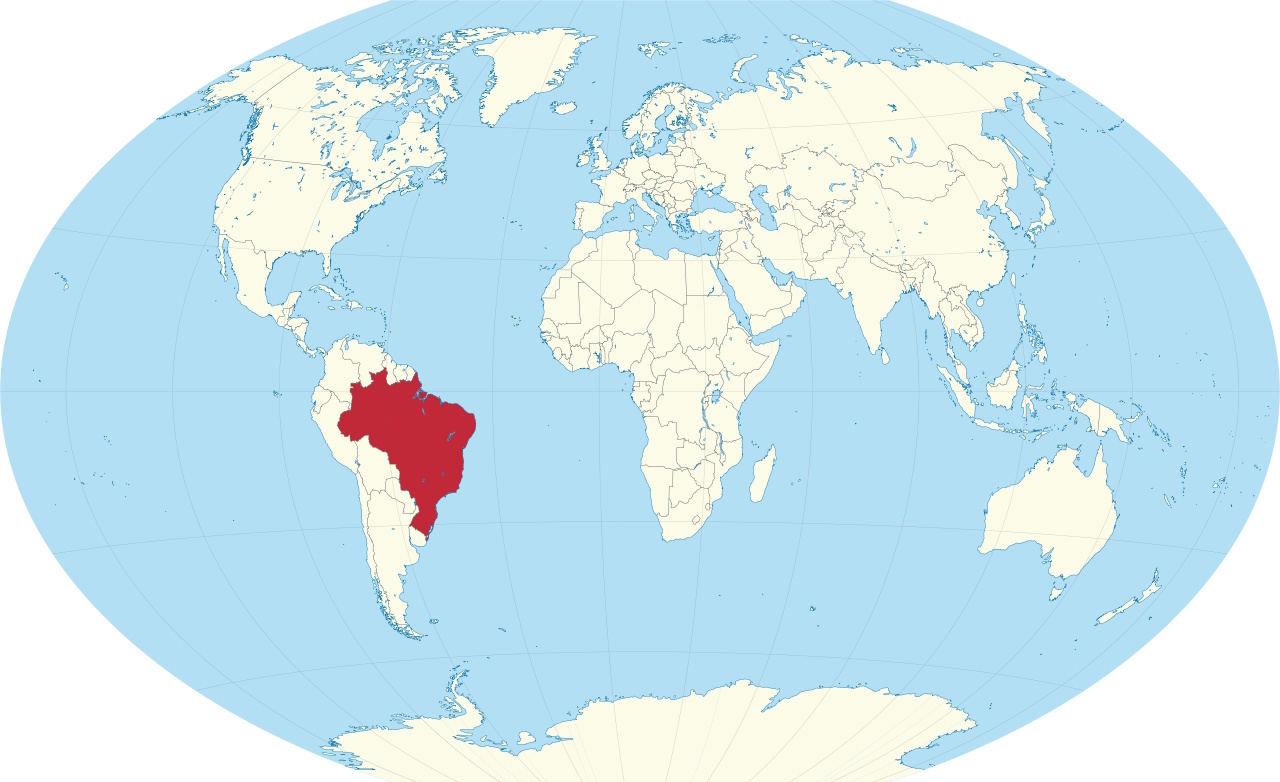
Brazilian coffee often boasts a naturally low acidity and a smooth, medium body, with prominent tasting notes of chocolate, caramel, and various nuts (like peanut or hazelnut). These inherent characteristics make it a natural complement to chocolate, especially dark chocolate. The richness and slight bitterness of dark chocolate can beautifully enhance the existing chocolatey undertones in the coffee, creating a harmonious and indulgent experience. For milk chocolate, the creamy sweetness can further highlight the caramel and nutty nuances of the Brazilian brew, offering a comforting and approachable pairing. If you would like to pair this with a chocolate from the same origin location, try Dick Taylor Brazil 55% Dark Chocolate Bar with Peanut Butter!
Colombia
Colombian coffee, particularly the widely recognized Arabica, is famed for its well-balanced profile, medium body, and bright, clean acidity. While often featuring notes of caramel, nuts, and a subtle fruitiness, many Colombian coffees also present delightful chocolatey undertones, especially in medium to darker roasts or from specific regions like Huila and Nariño. This inherent chocolate note makes it a fantastic partner for a variety of chocolates. It pairs exceptionally well with milk chocolate, where its balanced nature can enhance the chocolate’s creamy sweetness and gentle cocoa flavors. For dark chocolate, a Colombian coffee with a more pronounced chocolate or nutty characteristic can create a rich, comforting, and harmonious pairing, allowing both the coffee and the chocolate to shine without one overpowering the other. If you would like to pair this with a chocolate from the same origin location, try BOHO Chocolate Colombia 70% Dark Chocolate Bar!


Costa Rica
Costa Rican coffee, exclusively Arabica, is celebrated for its bright, clean acidity and medium body, often presenting lively citrus notes (like orange or lemon) and hints of honey or caramel. While less overtly chocolatey than some South American origins, many Costa Rican coffees, particularly from regions like Central Valley or those undergoing specific processing methods like “honey processing,” can also exhibit subtle chocolate undertones or a cocoa-like finish. This balanced profile makes it an excellent pairing for milk chocolate, where the coffee’s brightness can cut through the sweetness and highlight the chocolate’s creaminess. For dark chocolate, a Costa Rican coffee with a noticeable sweet or nutty character can create a sophisticated contrast, allowing the bright acidity to refresh the palate between bites of rich, intense chocolate.
Ecuador & Bolivia
Ecuadorian coffees are renowned for their vibrant profiles that balance sweetness and acidity with notes of berries, citrus, and chocolate undertones. Their versatility shines in pairings, as a bright, fruity Ecuadorian coffee contrasts beautifully with milk chocolate, enhancing its creaminess while adding a lively fruity touch. For dark chocolate, a coffee with richer chocolate or nutty notes offers a harmonious pairing, where the coffee’s sweetness tempers the chocolate’s intensity for a sophisticated experience. Similarly, Bolivian coffees are valued for their clean cups and aromatic sweetness, often featuring subtle fruit notes alongside malty, chocolatey, and nutty flavors. A Bolivian coffee’s delicate fruitiness pairs elegantly with milk chocolate, balancing sweetness with brightness, while its chocolatey and nutty undertones create a delightful match with dark chocolate, resulting in a rich experience where the coffee’s mild acidity complements the chocolate’s depth. If you would like to pair this with a chocolate from the same origin location, try Chocolat Bonnat Los Colorados Ecuador 75% Dark Chocolate or Three Fins Craft Chocolate Wild Harvest Bolivia 80% Dark Chocolate Bar!


El Salvador
El Salvadoran coffee is highly regarded for its smooth, balanced, and often sweet profile with a gentle acidity. While it might not always have the bold “wow” factor of some other Central American coffees, it offers a comforting and clean cup. Common tasting notes include honey, caramel, and a subtle fruitiness, but many varieties, especially the Pacamara or Bourbon, can also present delightful chocolatey or nutty undertones. This inherent sweetness and balance make it an excellent partner for chocolate. It pairs beautifully with milk chocolate, where its mellow characteristics complement the chocolate’s creaminess without overpowering it. For dark chocolate, especially one with a higher cocoa content, an El Salvadoran coffee can offer a pleasant counterpoint, highlighting the chocolate’s depth while its own subtle sweetness and delicate acidity create a harmonious and satisfying experience.
Ethiopia
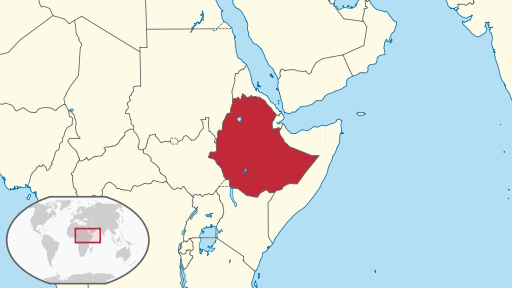
Ethiopian coffee, known as the birthplace of Arabica, is celebrated for its diverse flavors and vibrant acidity that vary by region and processing method. Washed Ethiopian coffees offer bright, tea-like qualities and citrus notes, making them a delightful match for milk or white chocolate, enhancing sweetness and creaminess. Meanwhile, natural Ethiopian coffees, rich in berry and wine-like flavors, pair beautifully with fruity dark chocolates, blending their bold fruitiness with cocoa notes for a balanced experience. Some varieties even carry subtle chocolate notes, creating a classic pairing with quality dark chocolate.

Guatemala
Guatemalan coffee is highly prized for its complex and diverse flavor profiles, often characterized by a bright acidity and a full, well-rounded body. While specific notes vary by region (Antigua is known for chocolate and spice, Huehuetenango for fruitiness), many Guatemalan coffees inherently feature chocolatey undertones, caramel sweetness, and sometimes hints of nuts or fruit. This natural presence of chocolate and caramel makes it an ideal companion for a wide array of chocolates. It harmonizes beautifully with milk chocolate, where its balanced acidity can cut through the sweetness and highlight the chocolate’s creamy notes. For dark chocolate, especially those with a high cocoa content, a Guatemalan coffee can provide a sophisticated pairing, as its inherent chocolate and nutty flavors will be accentuated, creating a rich and satisfying experience with a clean finish. If you would like to pair this with a chocolate from the same origin location, try Goodnow Farms Asochivite Guatemala 77% Dark Chocolate Bar!
Hawaii (USA)
Hawaiian coffees, with Kona being the most famous, are often characterized by their smooth, balanced, and clean profile with a medium body and gentle acidity. While caramel, honey, and nutty notes are prevalent, Kona can also exhibit subtle milk chocolate undertones, particularly in medium roasts. This approachable flavor makes it a versatile partner for chocolate. It pairs beautifully with milk chocolate, where its inherent sweetness and mild character complement the creamy, sweet notes of the chocolate without any harsh contrasts. For dark chocolate, a Hawaiian coffee can provide a pleasant balance, as its delicate acidity and clean finish can prevent the chocolate’s richness from becoming overwhelming, leaving a harmonious and satisfying impression. Other Hawaiian coffees, like Ka’u, can also offer prominent dark chocolate and brown sugar notes, making them an even more direct and rich pairing for cocoa. If you would like to pair this with a chocolate from the same origin location, try Guittard Kokoleka Hawaii 38% Milk Couverture Chocolate Bar!


Honduras
Honduran coffee offers a remarkably diverse range of flavor profiles, influenced by its varied microclimates and growing regions. While it can present bright, citrusy, and fruity notes (like apricot or tropical fruit), a significant characteristic often found in Honduran coffee is a sweet, well-balanced cup with prominent chocolatey and caramel undertones, along with nutty hints. This inherent sweetness and mild body make it an excellent choice for pairing with chocolate. For milk chocolate, the coffee’s caramel and nutty notes can be beautifully enhanced, creating a comforting and classic combination. When paired with dark chocolate, especially those with a moderate cocoa percentage, Honduran coffee’s chocolatey characteristics are amplified, resulting in a rich and satisfying experience where the coffee’s balanced acidity provides a clean finish without any harshness. If you would like to pair this with a chocolate from the same origin location, try Crow & Moss Wampusirpi Honduras 70% Dark Chocolate Bar!
India
Indian coffee offers a fascinating range of flavor profiles, often influenced by its unique growing conditions, including shade-grown cultivation and intercropping with spices. While Indian coffees generally exhibit a moderate body and acidity, a distinguishing characteristic, particularly in many Arabica varieties and the famous Monsooned Malabar, is a sweet, often earthy or woody character, accompanied by prominent notes of spice (cardamom, clove, nutmeg, pepper) and frequently, a noticeable chocolatey or nutty undertone. This rich and sometimes spicy sweetness makes Indian coffee an intriguing partner for chocolate. For dark chocolate, especially those with a higher cocoa content, the coffee’s inherent chocolate and earthy notes can be amplified, creating a deep and complex pairing. With milk chocolate, the coffee’s subtle sweetness and spicy hints can add a unique warmth and dimension, creating a comforting and flavorful experience. The “Monsooned Malabar” in particular, with its very low acidity and thick, creamy body, can create a beautifully rich and smooth pairing with a variety of chocolates. If you would like to pair this with a chocolate from the same origin location, try Crow & Moss Anamalai India 70% Dark Chocolate Bar!

Indonesia
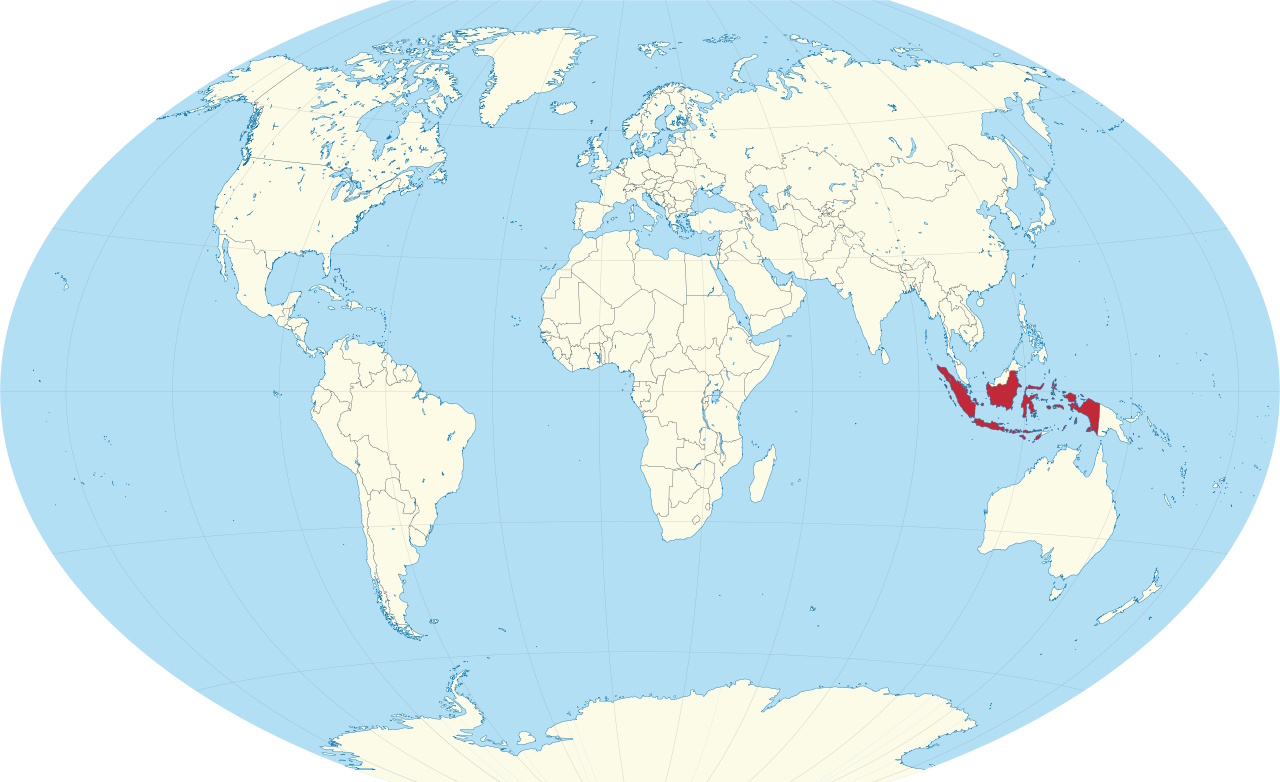
Iced coffee, created by chilling hot-brewed coffee and serving it over ice, typically retains more acidity and bitterness than cold brew. This lively coffee flavor pairs well with milk chocolate or dark chocolate in the 60-75% cacao range. Quality milk chocolate brings a creamy sweetness that softens the coffee’s sharpness and complements any milk or creamer. In contrast, dark chocolate provides a rich cocoa profile that enhances the coffee’s strength while its moderate bitterness unveils subtle fruit or nutty notes. The perfect chocolate elevates the iced coffee’s refreshing qualities without adding any unpleasant sharpness. If you would like to pair this with a chocolate from the same origin location, try Three Fins Craft Chocolate Ransiki Indonesia 85% Dark Chocolate Bar!
Jamaica
Jamaica Blue Mountain coffee is globally renowned for its exceptionally smooth, mild, and well-balanced profile, often described as having minimal bitterness and a clean finish. While not overtly bold in a single flavor, its complexity reveals subtle notes of chocolate, sweet herbs, nuts, and delicate florals, along with a refined, bright yet gentle acidity. This harmonious balance makes it a truly elegant partner for chocolate. It pairs beautifully with milk chocolate, where its inherent sweetness and smooth body enhance the chocolate’s creaminess without any clashing notes. For dark chocolate, especially those that are rich but not overly bitter, Jamaica Blue Mountain coffee can create a sophisticated and nuanced experience. The coffee’s subtle chocolate undertones are highlighted, while its clean taste and mild acidity provide a refreshing contrast, allowing both the coffee and the chocolate to shine in a refined symphony of flavors.


Kenya
Kenyan coffee is highly celebrated for its vibrant, complex, and often juicy acidity, distinguishing itself with notes of blackcurrant, citrus (grapefruit, lemon), and sometimes a savory tomato-like quality, alongside bright berry and wine-like flavors. While not typically chocolate-forward on its own, this intense fruitiness and high acidity create exciting opportunities for chocolate pairing. When combined with dark chocolate, especially those with significant fruit notes or a bright finish, the Kenyan coffee’s acidity can cut through the chocolate’s richness and highlight its nuanced flavors, leading to a dynamic and refreshing experience. For a more adventurous pairing, its lively fruit and berry characteristics can also create an intriguing contrast with milk chocolate or even white chocolate, where the coffee’s brightness can prevent the chocolate from being overly sweet, adding a layer of sophisticated fruitiness to the pairing.
Laos
Laos, while historically known for Robusta, is increasingly gaining recognition for its specialty Arabica coffees, particularly from the Bolaven Plateau. These Arabica beans often present a delightful balance, typically featuring bright citrus notes, subtle floral hints, and a comforting underlying sweetness that can include caramel, brown sugar, and importantly, chocolatey undertones. This combination makes Laotian coffee a charming companion for various chocolates. For milk chocolate, the coffee’s gentle acidity and inherent sweetness can beautifully complement the chocolate’s creamy texture, creating a smooth and harmonious experience. When paired with dark chocolate, especially those with a moderate cocoa content, the chocolate and nutty notes that emerge in Laotian coffee are accentuated, leading to a richer and more satisfying combination where the coffee’s balanced profile prevents it from clashing with the chocolate’s intensity.

Mexico
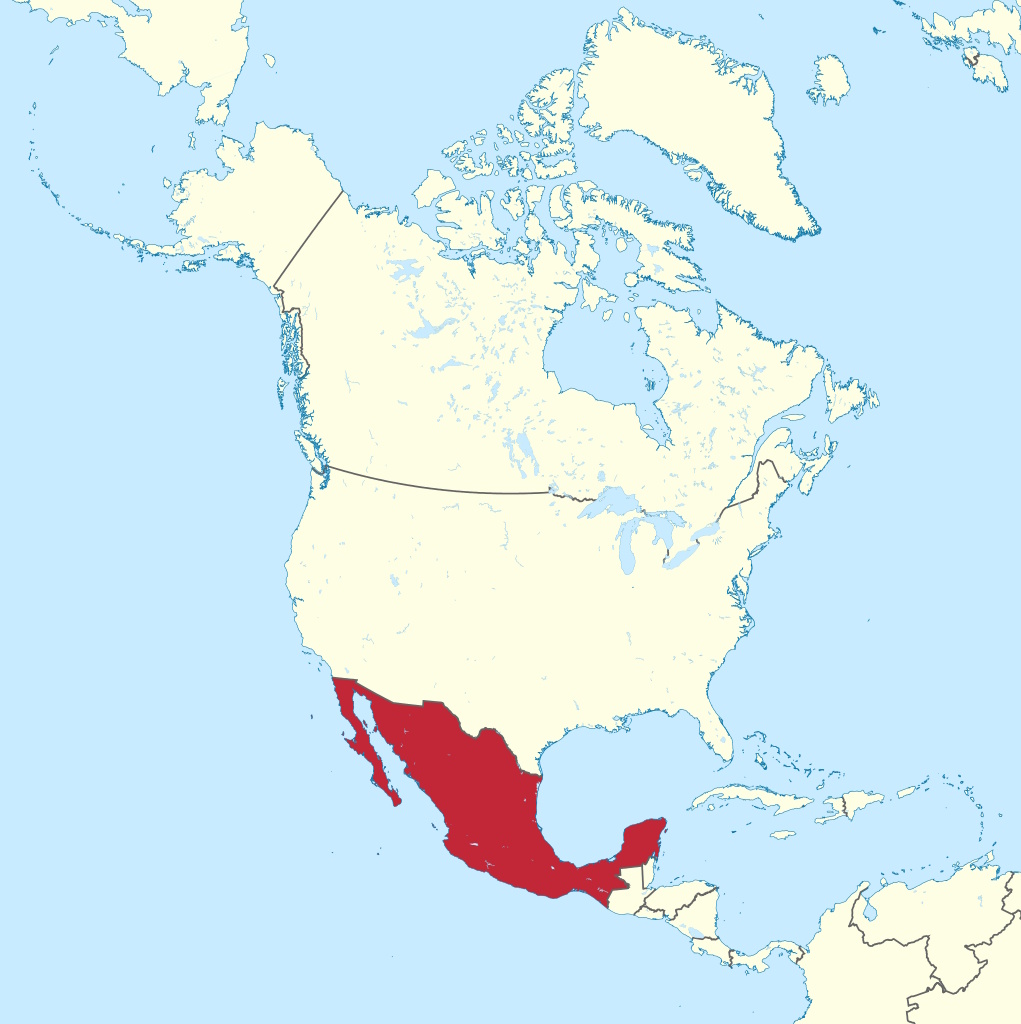
Mexican coffee, especially from regions like Chiapas and Oaxaca, is often characterized by a light to medium body, gentle acidity, and prominent notes of chocolate and nuts. Many varieties also exhibit caramel sweetness, subtle citrus, or floral undertones. This inherent chocolate and nutty character makes Mexican coffee a natural and delightful partner for various chocolates. It pairs beautifully with milk chocolate, where its mildness and sweet notes complement the chocolate’s creaminess, creating a comforting and approachable combination. For dark chocolate, especially those with a balanced bitterness, the coffee’s existing chocolate and nutty flavors are enhanced, resulting in a rich, satisfying, and harmonious experience that often includes a clean and smooth finish. If you would like to pair this with a chocolate from the same origin location, try Chocolat Bonnat Morenita Mexico 65% Milk Chocolate Bar!
Nicaragua
Nicaraguan coffee generally presents a smooth, medium body and a distinct yet mild acidity, often characterized by sweet, balanced flavors with nutty, caramel, and a noticeable chocolatey bouquet. While some varieties might offer subtle fruit or floral notes, the underlying sweetness and chocolate presence make it a fantastic and straightforward pairing for chocolate. Its inherent chocolate and nutty characteristics are beautifully amplified when paired with milk chocolate, creating a comforting and classic combination. For dark chocolate, especially those with a moderate cocoa content, Nicaraguan coffee’s balanced richness and existing chocolate notes create a deeply satisfying and harmonious experience, where the coffee’s clean finish prevents any lingering bitterness. If you would like to pair this with a chocolate from the same origin location, try Goodnow Farms El Carmen Nicaragua 77% Dark Chocolate Bar!

Papua New Guinea
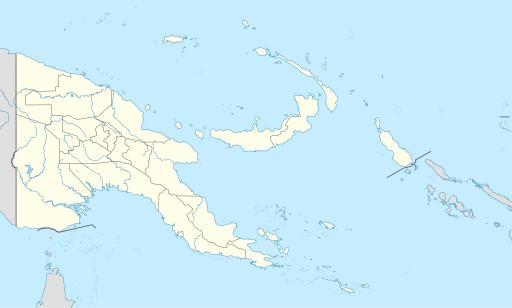
Papua New Guinean (PNG) coffee is often praised for its balanced profile, medium body, and bright, clean acidity, frequently exhibiting a delightful complexity of flavors. While it can offer fruity notes (citrus, berries, tropical fruit) and even floral aromas, a common and highly appealing characteristic, particularly in some washes and roasts, is the presence of sweet, earthy, and distinctly chocolatey or hazelnut undertones, often accompanied by brown sugar notes. This diverse yet grounded flavor makes PNG coffee an excellent partner for chocolate. It pairs beautifully with milk chocolate, where its inherent sweetness and balance can enhance the chocolate’s creamy texture and bring out the subtle fruity or caramel notes. For dark chocolate, especially those with a cocoa content in the 50-70% range, PNG coffee’s natural chocolate and earthy flavors are beautifully accentuated, creating a rich, satisfying, and harmonious experience that often has a clean finish, preventing any lingering bitterness.
Peru
Peruvian coffee, particularly the specialty varieties, is gaining recognition for its clean, mild body and often lower acidity, making for a very approachable cup. While it can display subtle citrus or berry notes and a delicate sweetness, a common and highly appealing characteristic is a creamy mouthfeel and a discernible chocolatey aftertaste, sometimes with hints of nuts or caramel. This inherent chocolate presence, combined with its overall smoothness, makes Peruvian coffee a harmonious partner for chocolate. It pairs beautifully with milk chocolate, where its creamy texture and gentle sweetness complement the chocolate’s richness without any sharp contrasts. For dark chocolate, especially those with a moderate cocoa content, the coffee’s subtle chocolate notes are amplified, creating a balanced and comforting experience where the coffee’s clean finish allows the chocolate’s depth to shine. If you would like to pair this with a chocolate from the same origin location, try Three Fins Craft Chocolate Cusco Peru 80% Dark Chocolate Bar.

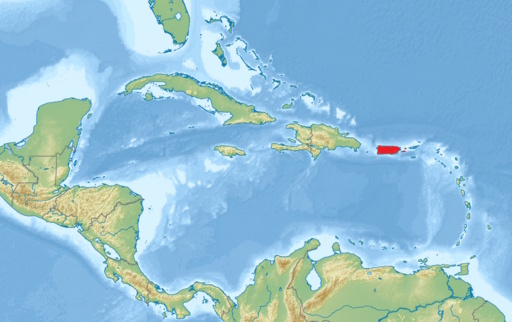
Puerto Rico
Puerto Rican coffee is highly esteemed for its smooth, well-balanced, and consistently low-acidity profile, making it a very approachable and enjoyable cup. It often features delightful chocolatey, caramel, and nutty undertones, along with a gentle sweetness and sometimes hints of dry fruit. This inherent sweetness and chocolate presence make it a natural and seamless pairing for chocolate. It complements milk chocolate beautifully, enhancing the chocolate’s creamy texture and sweet notes without any sharpness. For dark chocolate, especially those with a moderate cocoa content, Puerto Rican coffee’s subtle chocolate characteristics are amplified, resulting in a rich, comforting, and harmonious experience that highlights the depth of both the coffee and the chocolate. Its smooth finish ensures a pleasant aftertaste, letting the flavors linger without bitterness. If you would like to pair this with a chocolate from the same origin location, try Loon Chocolate Hacienda Jeanmarie Puerto Rico 65% Dark Chocolate Bar.
Uganda
Ugandan coffee offers a diverse range of profiles, with both Robusta and Arabica varieties contributing. While Robusta is known for its bold, earthy, and often bitter notes, specialty Ugandan Arabica, particularly from regions like Mt. Elgon and the Rwenzori Mountains, presents a more refined cup. These Arabica coffees can feature a medium body, mild acidity, and sweet, often winey characteristics with prominent notes of stone fruit (like apricot) and red berries. Crucially for chocolate pairing, many Ugandan Arabica coffees also possess distinct chocolatey and nutty undertones, sometimes with hints of vanilla or caramel. This inherent sweetness and cocoa presence make them a fantastic partner for chocolate. They pair wonderfully with milk chocolate, where the coffee’s subtle fruit and chocolate notes are beautifully enhanced. For dark chocolate, especially those with a balanced bitterness, the chocolatey depth of the coffee is amplified, creating a rich and harmonious experience. Even bolder, naturally processed Ugandan coffees with dark berry jam notes can create a surprisingly complementary and intense pairing with a robust dark chocolate. If you would like to pair this with a chocolate from the same origin location, try French Broad Chocolate Uganda 70% Dark Chocolate Bar.

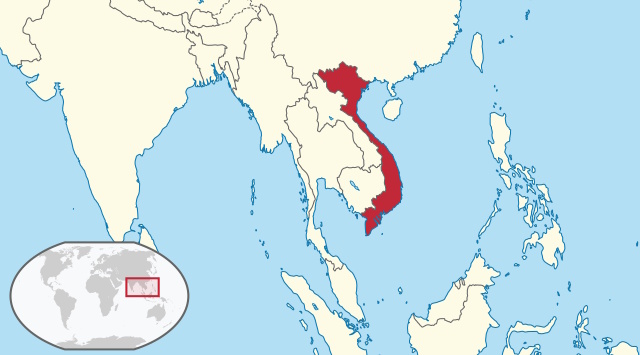
Vietnam
Vietnamese coffee is predominantly Robusta, which gives it a distinct and robust character. It’s known for its bold, strong, and often intensely bitter flavor, very low acidity, and thick, syrupy body, accompanied by pronounced notes of dark chocolate, earthy tones, and sometimes a rubbery or nutty finish. This powerful profile, especially its natural dark chocolate notes, makes it a formidable partner for chocolate. It pairs exceptionally well with dark chocolate, particularly those with a high cocoa content (70% and above), as the coffee’s inherent bitterness and dark chocolate flavors are amplified, creating an incredibly rich, intense, and deeply satisfying experience. When prepared in its traditional style with sweetened condensed milk (cà phê sữa đá), the added sweetness and creaminess can beautifully balance the coffee’s intensity, making it pair wonderfully with almost any type of chocolate, from milk chocolate to even sweeter dark varieties, creating a truly indulgent treat. If you would like to pair this with a chocolate from the same origin location, try The Organic House Vietnam 60% Dark Chocolate Bar with Vanilla Bean & Sea Salt.